
Oil
Oil
Over recent decades, the production of oilseed crops has grown twice as fast as global agriculture. Sunflower, palm, soybean and rapeseed oils represent three quarters of the worldwide production of oil, while cottonseed, peanut, coconut, olive and sesame oils represent just one quarter.
Oils and fats recognised as essential nutrients in both human and animal diets. They provide the most concentrated source of energy of any foodstuff, supply essential fatty acids (which are precursors for important hormones, the prostaglandins), contribute greatly to the feeling of satiety after eating, are carriers for fat soluble vitamins, and serve to make foods more palatable.
The distinction between a fat and an oil is purely an accidental one, depending upon the environment in which the substance happens to be placed. If the substance is solid at ordinary temperatures, it is termed a fat; if fluid, an oil. This is merely a distinction of convenience, since all oils are solidified at lower temperatures and all fats melted at higher temperatures. In each climate, however, the distinction is of importance in industrial and in culinary uses; it has also some importance in nutrition, since fats are somewhat less digestible than oils.

1. Rapeseed oil
Rapeseed oil is high in healthy fats. Culinary rapeseed oil is distinguished from industrial rapeseed oil, which is not safe for consumption. Benefits include its affordability and wide range of culinary uses.
The rapeseed plant usually blooms in the summer and is famous for its golden-yellow flowers.
Rapeseed oil accounts for 3rd largest source of edible oil next to soybean and palm. Rapeseed oil contains palmitic, stearic, oleic, linoleic and linolenic acids as major constituents. It has least amount of saturated fatty acids than any other commodity oil. Rapeseed oil is rich in erucic fatty acid
Rapeseed oil is suitable for all uses and is commonly used for blended oils. This is because rapeseed oil has an excellent fatty acid composition. You can use rapeseed oil for frying and deep frying, but it is also perfect for salad dressings.
Rapeseed oil is used for the production of medicinal preparations such as extracts, ointments, cosmetic oils and creams. It is used in various cosmetic milks to reduce skin irritation after sunbathing

2. Sunflower oil
Healthy, natural sunflower oil is produced from oil type sunflower seeds. Sunflower oil accounts for a significant proportion of global oilseed production. Like other oils, it was obtained in the past by pressing. Industrial production consists of two main stages: seed pressing and oil refining. Sunflower oil is valuable on a nutritional level, as it is rich in essential fatty acids, but also from a dietary point of view because it is stable when heated and has a neutral flavour.sunflower oil degumming, dewaxed sunflower oil using the winterization process.
The neutral flavour of sunflower oil and its stability when heated mean it can be used cold in salad dressings or hot for cooking food at high temperatures. It is also ideal for making margarine. If heated beyond 210°c, the oil must not be consumed, as it releases toxic and carcinogenic compounds.
Sunflower oil is light in taste and appearance and supplies more vitamin e than any other vegetable oil. It is a combination of monounsaturated and polyunsaturated fats with low saturated fat levels.
The versatility of this healthy oil is recognized by cooks internationally. Sunflower oil is valued for its light taste, frying performance and health benefits.
There are two types of sunflower oil available; linoleic and high oleic sunflower oil. Both are developed with standard breeding techniques. They differ in oleic levels and each one offers unique properties.

3. Palm oil
Palm oil is the most widely-used vegetable oil in the world. It is found in approximately 60% of all packaged products in supermarkets today. It plays a significant role in the production of various items, such as cookies, where it ensures a deliciously crispy and crunchy texture. Additionally, palm oil is a key ingredient in margarine, providing a smooth and spreadable consistency.
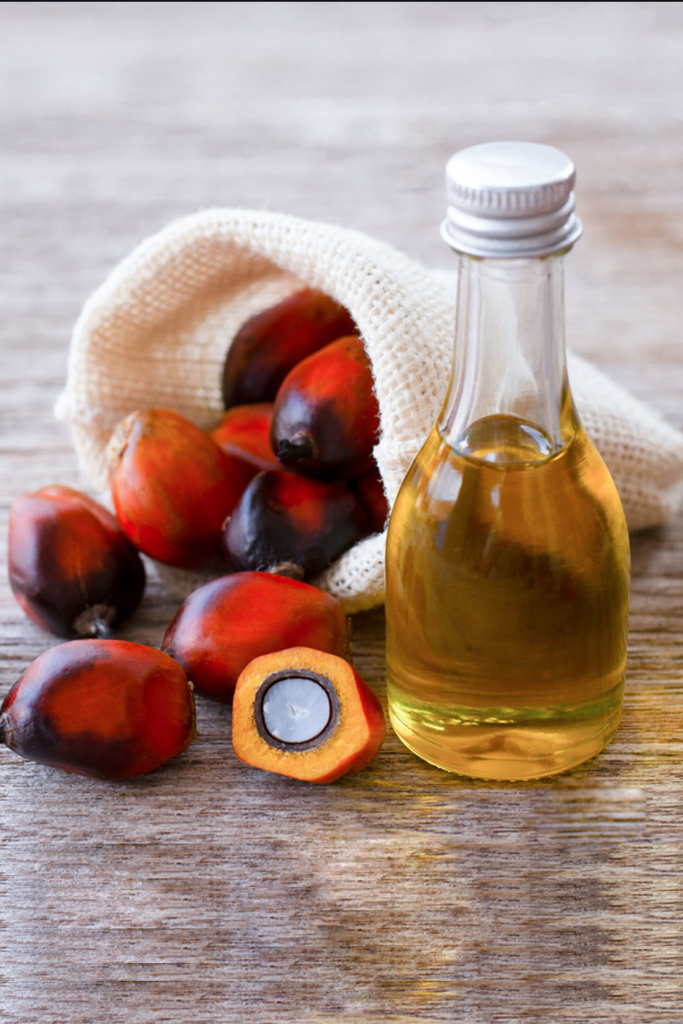
Palm oil is squeezed from the fruits of the oil palm tree (elaeis guineensis). Oil palm trees grow in regions around the equator. The oil palm is a tropical tree with leaves about 5 meters long. What the tree loves above all, is sun and humidity. It thrives on plenty of sunshine, temperatures ranging between 24 and 32 degrees centigrade and rainfall evenly distributed throughout the year.
The oil is used in food manufacturing, in beauty products, and as biofuel.
Grown only in the tropics, the oil palm tree produces high-quality oil used primarily for cooking in developing countries. It is also used in food products, detergents, cosmetics and, to a small extent, biofuel. Palm oil is a small ingredient in the u.s. Diet, but more than half of all packaged products americans consume contain palm oil—it’s found in lipstick, soaps, detergents and even ice cream.
Palm oil is a very productive crop. It offers a far greater yield at a lower cost of production than other vegetable oils. Global production of and demand for palm oil is increasing rapidly. Plantations are spreading across the world. But such expansion comes at the expense of tropical forests—which form critical habitats for many endangered species and a lifeline for some human communities.
4. Soybean oil
Soybean oil is a vegetable oil extracted from the seeds of the soybean. It is one of the most widely consumed cooking oils and the second most consumed vegetable oil. As a drying oil, processed soybean oil is also used as a base for printing inks and oil paints
Soybean oil a pale yellow drying or semidrying oil that is obtained from soybeans and is used chiefly as a food, in paints, varnishes, linoleum, printing ink, and soap, and as a source of phospholipids, fatty acids, and sterols
Discussions about soy nutrition often focus on protein, which is not surprising since protein-rich diets are popular, and soybeans are among the best plant sources of this nutrient. But the fat in soybeans actually plays a bigger role diets.
Soybean oil is a good choice for those looking to choose more healthful fats. It’s high in health-promoting polyunsaturated fat (pufa) with a moderate amount of monounsaturated fat.5 replacing saturated fat in meals with pufa lowers ldl-cholesterol levels and is associated with reduced risk of coronary heart disease (chd). Soybean oil provides over 40% of our intake of both essential fatty acids.4 one of these is the omega-3 fatty acid alpha-linolenic acid (ala), an essential nutrient that can fall short in plant-based diets.
In addition to its health benefits, soybean oil has a number of culinary attributes. Its neutral flavor means it can be used in a variety of savory and sweet dishes and will not overpower flavors in a recipe. It also has a high smoke point, making it a good choice for higher-temperature cooking. Finally, soybean oil is an economical choice. For cooks who are both cost-conscious and health-conscious, soybean oil is a useful pantry staple.
