Grains
Grains
1. Wheat
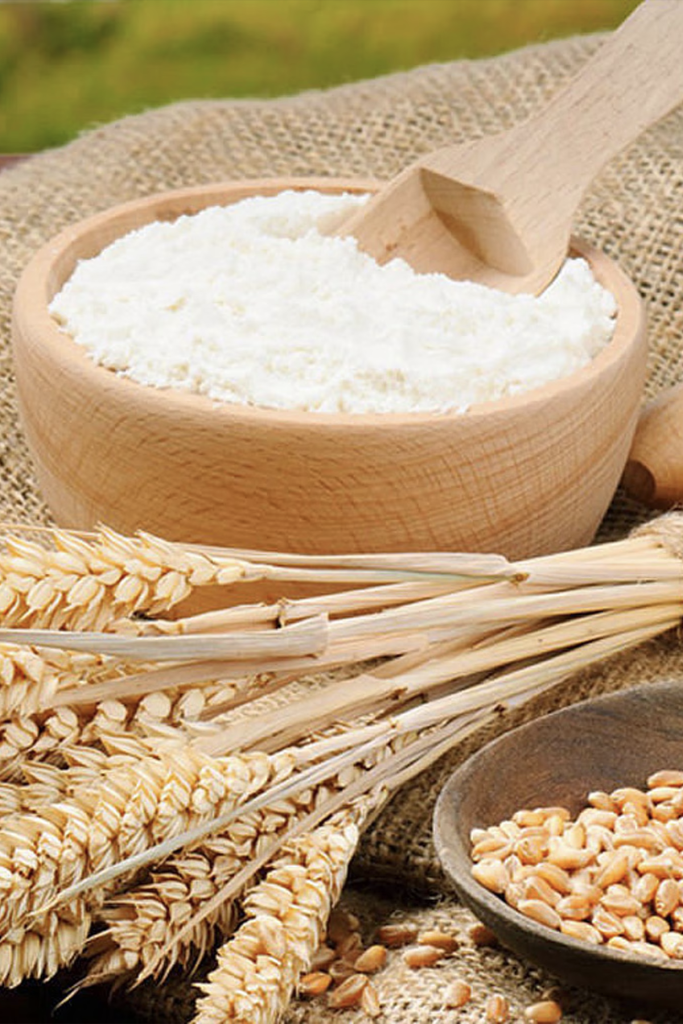
Wheat, any of several species of cereal grasses of the genus triticum (family poaceae) and their edible grains. Wheat is one of the oldest and most important of the cereal crops. Of the thousands of varieties known, the most important are common wheat (triticum aestivum), used to make bread; durum wheat (t. Durum), used in making pasta (alimentary pastes) such as spaghetti and macaroni; and club wheat (t. Compactum), a softer type, used for cake, crackers, cookies, pastries, and flours. Additionally, some wheat is used by industry for the production of starch, paste, malt, dextrose, gluten, alcohol, and other products. The nutritional composition of the wheat grain varies somewhat with differences in climate and soil. On an average, the kernel contains 12 percent water, 70 percent carbohydrates, 12 percent protein, 2 percent fat, 1.8 percent minerals, and 2.2 percent crude fibres. Thiamin, riboflavin, niacin, and small amounts of vitamin a are present, but the milling processes removes most of those nutrients with the bran and germ.
2. Corn (maize)
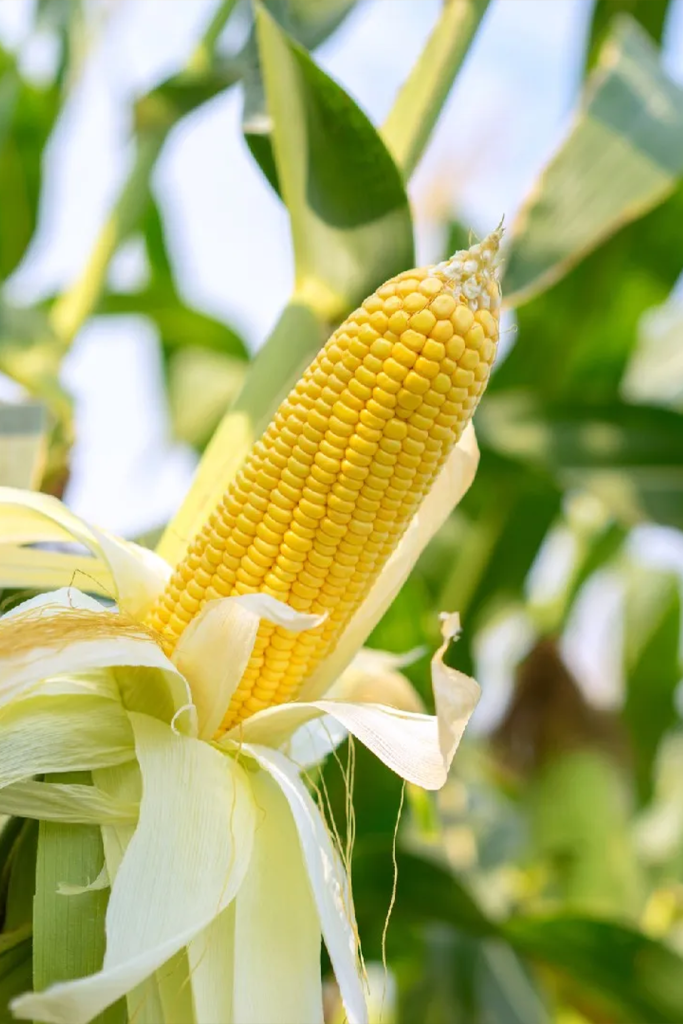
Corn is a cereal grain grown from the seed of a plant in the grass family. What we know as corn today was developed over years through a selective breeding process. Today, corn is one of the most important food crops in the world and it provides more food energy and carbohydrates than any other food crop. Corn is cultivated on more land area than any other commercial food crop on the planet. Corn is also used as a filler for plastics, and an important ingredient in the production of insulation and adhesives. Corn is also used to create, various chemicals, paints, dyes, and solvents. The pharmaceutical industry uses corn in the development of various medicines. It is loaded with carbohydrates and nutrients like vitamins a, b, and c. Including corn in your diet can lower the risk of diabetes and hypertension. The antioxidants present in corn are believed to improve eye health. Corn can be made into flour or syrup and it is also commonly used to feed livestock. Corn can also be transformed into ethanol, which can be used as fuel for automobiles. Corn can even be processed and used to make plastic. The word corn carries different meanings in different geographical regions. In the 17th century, the word corn was used to refer to the primary crop in the particular area. In england, corn referred to wheat, and in scotland, corn meant oats. In areas of germany, corn referred to rye. In the us and canada, corn refers to maize, and the two words are used interchangeably to reference the same thing. When used to refer to food products that are made from the grain, the word corn is preferred over maize (ex: corn starch, corn flour and corn meal). In the us and canada, the word corn only refers to maize, and is not used to reference other common grains.
3. Rapeseed (canola)
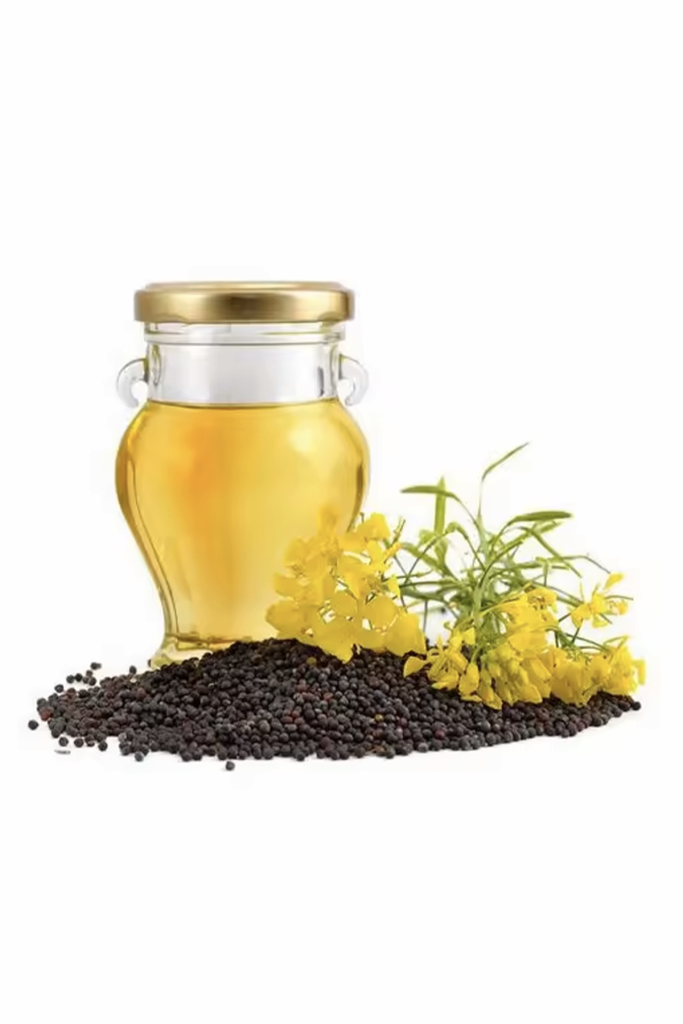
Cold pressed rapeseed oil contains good levels of omega 3 - an essential fatty acid that our bodies cannot make itself. This helps keep our heart rhythm regular, is very important for normal growth in children and it helps to prevent our blood from clotting. Cold pressed rapeseed oil is also rich in vitamin e – helping protect our dna which promotes a healthy immune system. Rapeseed, (brassica napus, variety napus), plant of the mustard family (brassicaceae) grown for its seeds, which yield canola, or rapeseed, oil. Canola oil is variously used in cooking, as an ingredient in soap and margarine, and as a lamp fuel (colza oil). The esterified form of the oil is used as a lubricant for jet engines and can be made into biodiesel. The seeds are also used as bird feed, and the seed residue after oil extraction is used for fodder. The plant can be grown as a cover crop and green manure. Canola and rapeseed belong to the cabbage or mustard family. The plants’ flowers both have that characteristic bright yellow color, and you get oil from both of the seeds by crushing the plants. That said, they have a couple key genetic differences. Canola was created through plant-breeding in order to get rid of two undesirable components of rapeseed. Rapeseed oil and canola oil also get mixed up because they can be labeled incorrectly outside of canada and the united states.
4. Soybeans
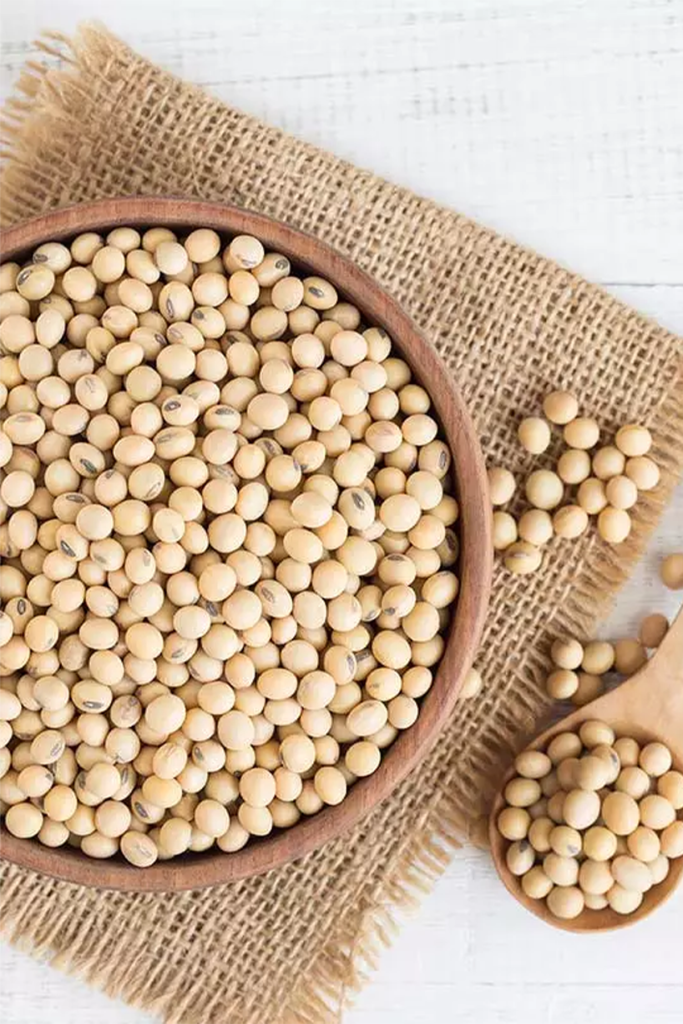
Soybean is a leguminous vegetable of the pea family that grows in tropical, subtropical, and temperate climates. Soybean was domesticated in the 11th century bc around northeast of china. It is believed that it might have been introduced to africa in the 19th century by chinese traders along the east cost of africa. The soybean, or soya bean is a species of legume native to east asia, widely grown for its edible bean, which has numerous uses. Traditional unfermented food uses of soybeans include soy milk, from which tofu and tofu skin are mad. Soybeans are legumes related to peas, clover and alfalfa. Soybeans are dicots, which means they have two cotyledons. Each soybean plant produces 60 to 80 pods, each holding three pea-sized beans. Soybeans are hardy plants and well adapted to a variety of soils and soil conditions. Soybeans are slower growing than most garden beans, requiring warmer weather and about 3 to 5 months for maturity Soybeans are, primarily, an industrial crop, cultivated for oil and protein. Despite the relatively low oil content of the seed (about 20% on moisture-free basis), soybeans are the largest single source of edible oil and account for roughly 50% of the total oilseed production of the world. With each ton of crude soybean oil, approximately 4.5 tons of soybean oil meal with a protein content of about 44% are produced. For each ton of soybeans processed, the commercial value of the meal obtained usually exceeds that of the oil . Thus, soybean oil meal cannot be considered a by-product of the oil manufacture. The soybean is, in this respect, an exception among oilseeds.
5. Sunflower seeds
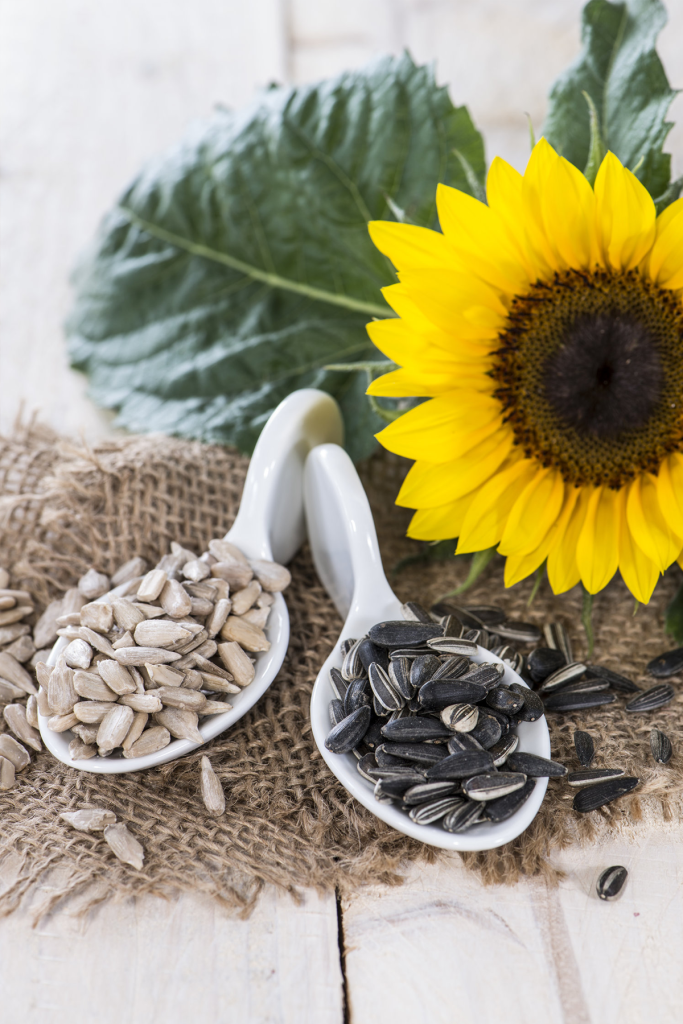
Sunflower seeds are rich in healthy fats, proteins, fiber and antioxidants, which help fight constipation, prevent cardiovascular diseases (like high blood pressure or a heart attack), and also help with weight loss. Ingesting just 30 g of sunflower seeds per day, the equivalent of a handful, is enough to obtain health benefits from this seed. They can be added to salads, fruit, yogurt, smoothies, juices or pasta. Sunflower seeds are usually found in supermarkets or health food stores. The safest way to eat them is without their shell, either in their raw form or roasted, as it is not possible to chew the shell and digest it very well. Another possible way to consume sunflower seeds is to ingest sunflower seed seed oil. It is is an excellent source of vitamin e, and helps to maintain the health of skin, nails and hair. A sunflower seed is a seed from a sunflower (helianthus annuus). There are three types of commonly used sunflower seeds: linoleic (most common), high oleic, and sunflower oil seeds. Each variety has its own unique levels of monounsaturated, saturated, and polyunsaturated fats. For commercial purposes, sunflower seeds are usually classified by the pattern on their husks. If the husk is solid black, the seeds are called black oil sunflower seeds. The crops may be referred to as oilseed sunflower crops. These seeds are usually pressed to extract their oil. Striped sunflower seeds are primarily eaten as a snack food; as a result, they may be called confectionery sunflower seeds. The term "sunflower seed" is a misnomer when applied to the seed in its pericarp (hull). Botanically speaking, it is a cypsela. When dehulled, the edible remainder is called the sunflower kernel or heart. Sunflower seeds are nutrient- and antioxidant-rich and provide plant protein, healthful fat, and fiber. Their consumption helps support immune function and may help reduce the risk of several chronic diseases, including heart disease, type 2 diabetes, and obesity.
6. Meal
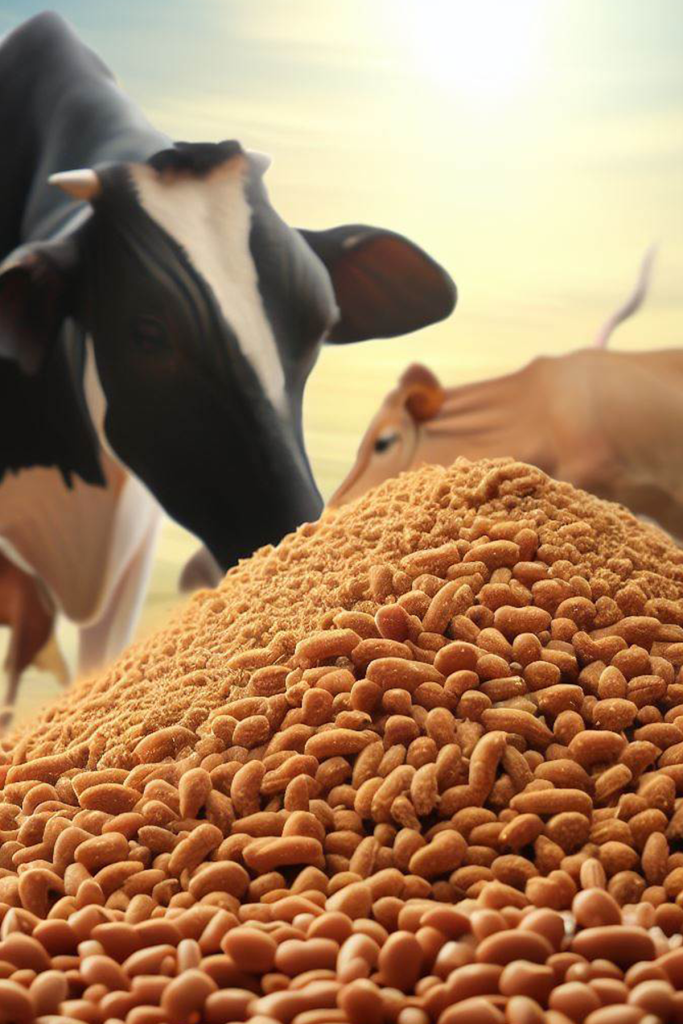
“meal is a solid residue that remains after oil extraction from oilseeds. In the past, it was also called kunjare, kanjar, and kunjideh. The residue of anything such as sesame, flaxseed, almond, grape, pomegranate, castor, etc. That has been crushed or pressed and its oil juice has been removed is called meal. However, the solid residue from wheat and rice, bran, sugarcane, and beet is called pomace. Oilseed meal is a valuable by-product in the oil extraction and food processing industries, which has nutritional applications in animal nutrition, pharmaceutical industries, production of food supplements, and even agriculture. Meals can be considered a useful food source for use in livestock and poultry feed due to their high energy content. However, the meal of several oilseeds, including castor, is toxic to eat and is used only as fertilizer. Sesame meal, sunflower seeds, walnuts, coconut, etc. Each of these is used for different purposes because each has its own characteristics and properties in individual percentages. Meal is the solid residue that remains after the oil extraction process from plant seeds or the processing of some animal materials. This product is rich in protein, fiber, and other nutrients, and for this reason it is widely used in livestock and poultry feeding, the production of food supplements, and some industrial products. Meal can be divided into two general categories based on its source of production: vegetable meals and animal meals. Vegetable meal is usually obtained from various oilseeds and is widely used in livestock and poultry nutrition due to its high content Animal meal is made from animal remains such as bones, blood, and meat waste and is mostly used in the livestock industry and agricultural fertilizer production. Plant meals are mostly used to feed livestock and poultry, while animal meals are used in addition to animal feed, in the pharmaceutical industry and in the production of agricultural fertilizers.
7. Rice
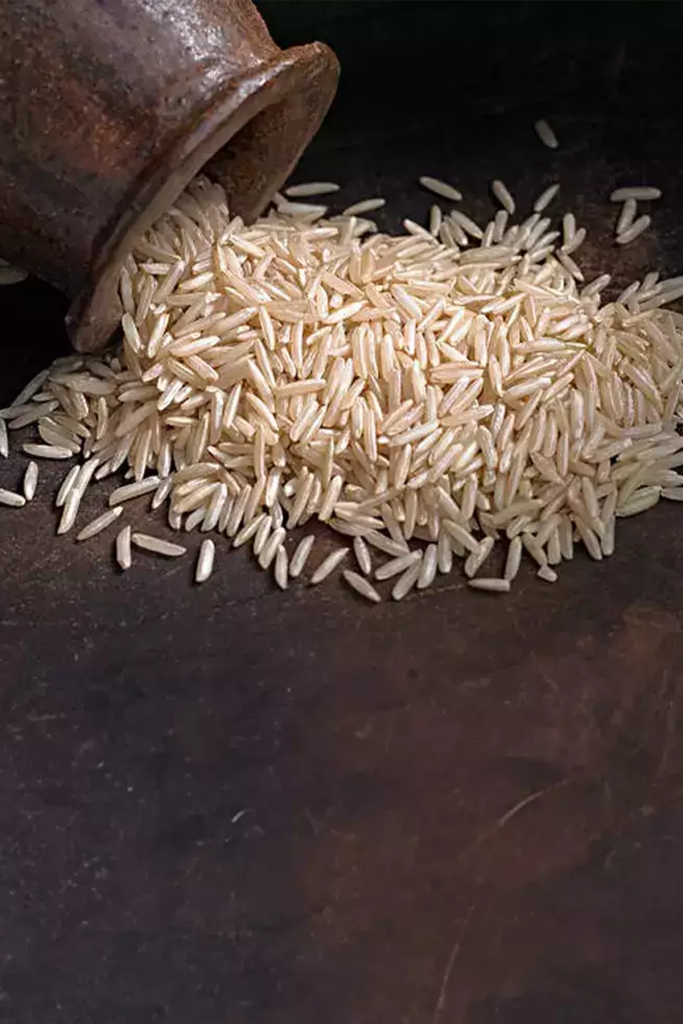
We produce authentic quality rice that is rich in aroma, texture and taste. We prioritize maintaining authenticity and providing the best rice products. We take great care to source the best rice from around the world and work closely with local farmers and producers to ensure we get the best ingredients. Rice is very special, not just as a staple food, but as a cultural icon that deserves to be loved. We offer a range of different rice products such as basmati, jasmine and arborio rice, each with its own uses and deliciousness. Rice cultivation is different from other grains because it requires controlled flooding and drainage of the land. Flooding early in the rice plant’s growth provides moisture, reduces weeds and controls pests. Drainage is done at the appropriate point in the plant's maturity to ensure that the grain is dry at harvest time. These conditions occur naturally in some tropical and subtropical regions where rainfall patterns are ideal for rice cultivation. Rice is one of the most popular foods in the world. It has fed us for thousands of years and is the main source of nutrition for more than half of the world's population today. Plus, it's delicious. Rice is a grain related to other cereal grasses, such as wheat, barley, and oats. It completes its entire life cycle from planting to harvest in about six months. It is also semi-aquatic, meaning it can live partly on land and partly in water. The rice grain is made up of three main layers - the husk or husk, the bran and germ, and the inner core or endosperm. Husk: the husk or rice hull is a hard, protective outer layer that people cannot eat. When the grains are milled, the husk is removed. Rice bran: underneath the husk is the bran and germ layer, which is a thin layer of skin that holds it all together. This layer gives rice its brown color. White rice is just brown rice with the bran and germ layer removed. Endosperm: the endosperm is the innermost part of the rice grain, which is hard and white in color and contains a lot of starch.
8. Legumes
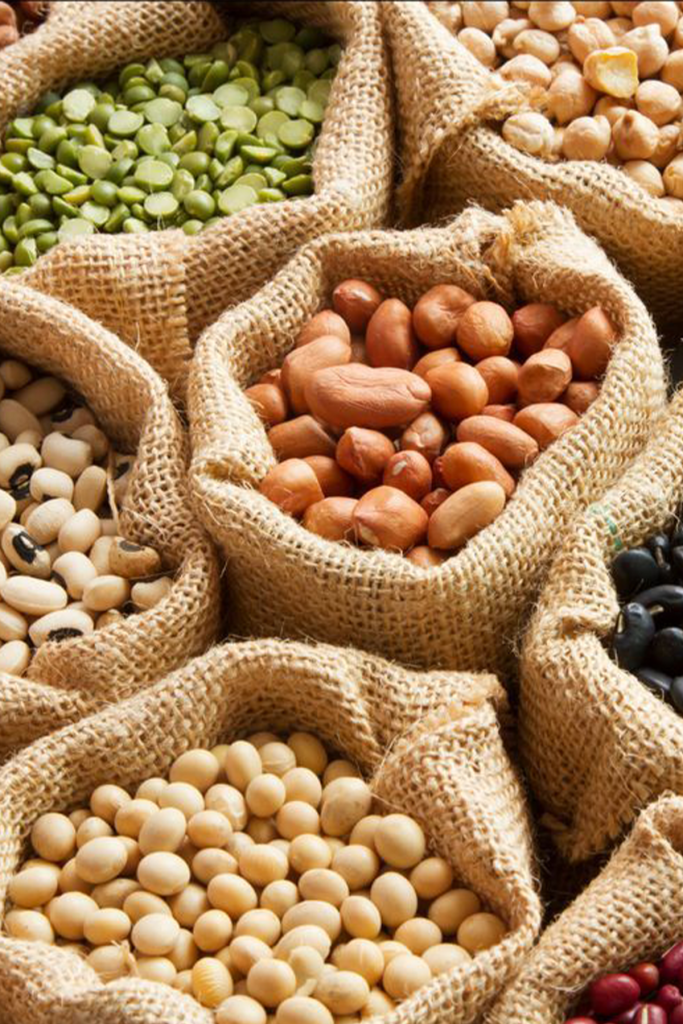
With slight annual variations, we cultivates its seeds with 1500 growers, on a total area of 5.000 hectares of land. Each season production consists in about 3000 tons of hybrid and standard vegetable seeds, which the company exports to more than 50 different countries. We grows every year more than 300 different varieties and we are working hard to keep seed purity and improve quality year after year. We are equipped with modern and efficient machinery. We have eight lines, divided according to types of product, special processing and finishing. This gives us the possibility of wide-ranging fast selection and enables to process both large and small quantities, ensuring 99% mechanical purity and preventing any mixture of different varieties of seeds. Our machine operators benefit from the professional experience, which has been handed down from one generation to the next within the company. We offer a wide range of high-quality beans that are perfect for any meal. Whether you’re cooking up a hearty stew, a vibrant salad, or a protein-packed vegan dish, our beans provide the foundation for delicious and nutritious meals. All of our beans are sustainably sourced and packed with flavor, fiber, and essential nutrients. We work with trusted suppliers who prioritize sustainable farming practices. Our beans are sourced from farms that focus on soil health, water conservation, and reducing their environmental impact. All of our beans are carefully selected for their flavor, texture, and consistency. We ensure that only the best beans are packed and delivered to you, so you can enjoy high-quality products every time. Beans are packed with essential nutrients, including protein, fiber, vitamins, and minerals. They’re an excellent choice for anyone looking to maintain a balanced diet or reduce their environmental impact by incorporating more plant-based meals. Beans are incredibly versatile and can be used in a variety of dishes. Whether you’re making a classic chili, a fresh salad, or a savory stew, our beans are the perfect ingredient to complement any meal.